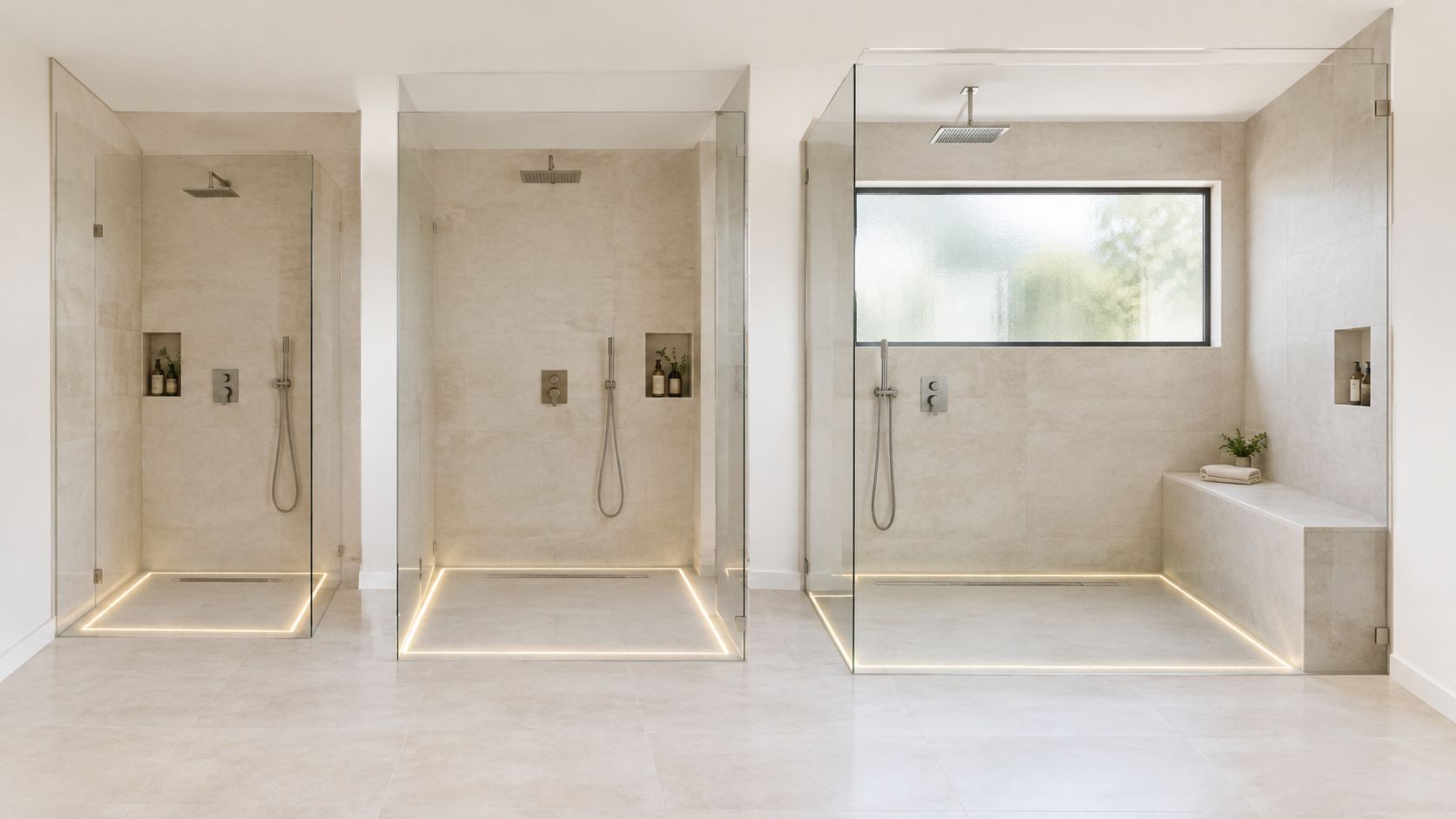

Pick the prettiest shower material in the showroom and you'll be happy. That's the popular advice, and it's backwards. A shower doesn't fail because the color went out of fashion. It fails because the surface got slippery, the joints demanded more scrubbing than anyone would do, or water worked past a corner that was never detailed properly. The best material for shower use is the one that still behaves well after years of soap, hard water, and rushed weekday mornings.
Table of Contents
- Why Shower Material Choice Matters More Than Style
- Comparing the Best Shower Materials at a Glance
- Porcelain and Ceramic Tile for Wet Walls and Floors
- Stone, Acrylic, and Fiberglass Trade-Offs
- Slip Resistance as Surfaces Age
- Maintenance, Cost, and Lifetime Value Compared
- Choosing the Best Shower Material for South Jersey Homes
Why Shower Material Choice Matters More Than Style
Most homeowners choose a finish the way they'd choose paint. They compare samples under bright light, worry about matching the vanity, and assume everything labeled for a bathroom will perform about the same. A shower isn't a backsplash. It gets repeated wetting and drying, direct spray, standing humidity, soap film, shampoo residue, and regular exposure to cleaning chemicals. That cycle tests the surface, the joints, and everything hidden behind them.
Style matters on installation day. Behavior matters every day after that. A glossy panel that looks uniform can be the wrong floor surface. A beautiful small tile can create a large network of grout joints nobody wants to maintain. An inexpensive surround can look clean at first, then dull or develop hairline stress cracks while a more demanding installation keeps going.
The Three Lenses That Actually Predict Satisfaction
Use three questions before you fall for a sample.
- Durability and service life: How long will the finish look and function well under your household's actual use, cleaning products, and ventilation?
- Upkeep labor: How many joints, sealant lines, and porous surfaces are you volunteering to scrub, inspect, and repair?
- Slip resistance over time: Will the floor still provide grip after soap film and mineral deposits settle into its texture?
Those questions change the ranking quickly. A busy family that hates cleaning may prefer fewer joints over maximum design flexibility. A homeowner planning to stay for decades may accept more installation complexity for a longer service horizon. An accessible bathroom puts wet traction ahead of a polished look, even if the safer texture takes a little more effort to rinse clean.
The finish you see is not the waterproofing. It's the wearing surface in front of the system that keeps water out of the wall and floor assembly.
That last point is where many remodels go wrong. Tile, stone, acrylic, and solid surface panels all depend on what happens at seams, corners, penetrations, and the shower pan or membrane. A premium surface over sloppy waterproofing is still a risky shower. A simpler surface over a carefully built assembly can perform reliably.
Judge the material and the assembly together. Match them to your timeline, your tolerance for maintenance, and who will use the shower as they age. That's a more useful definition of best than whichever sample photographs well.
Comparing the Best Shower Materials at a Glance
A shortlist helps only if it separates service life from weekly labor. The table below uses practical lifespan estimates for acrylic and fiberglass, not guarantees, because cleaning chemicals, impact, water quality, substrate movement, ventilation, and installation quality can change the outcome. Tile's longer horizon also assumes a properly waterproofed assembly, as detailed in a comparison of fiberglass and tile shower lifespans.
Shower Materials at a Glance
| Material | Typical Service Life | Upkeep Demands | Best Fit |
|---|---|---|---|
| Porcelain tile | 25 years or more when properly waterproofed | Moderate. Grout and sealant need attention, fewer joints with large formats | Long term remodels wanting design flexibility |
| Ceramic tile | Long when glazed and rated for wet areas | Moderate. Product selection and grout care matter | Walls and design led projects with careful specification |
| Natural stone | Long potential life, highly care dependent | High. Sealing and careful cleaner selection | Homeowners who value natural variation and will maintain it |
| Acrylic | Roughly 10 to 15 years of good visible service | Low. Few joints and no broad grout field | Rentals, busy households, fast cleaning priorities |
| Fiberglass | Roughly 10 to 15 years of good visible service | Low at first, harder if surface dulls | Budget sensitive or shorter horizon projects |
| Solid surface and engineered panels | Product dependent, check documented ratings | Low to moderate. Fewer joints, seams still need inspection | Low joint designs where panel limits fit the space |
Read each row as a starting point, not a verdict. Joint count is the hidden column behind upkeep. One piece or modular surrounds reduce field joints and remove the broad expanse of grout, which simplifies cleaning. Tile gives you far more control over size, pattern, texture, niche layout, benches, and transitions, but every added joint is another line to clean and inspect.
Repairability cuts the other way. A damaged tile can sometimes be replaced individually if spare material and access allow it. A cracked or badly stained panel may be harder to repair invisibly. Stone can be distinctive, but it asks for sealing discipline that many households don't keep up. Engineered panels can reduce seams on walls, yet rigidity, weight, panel size, and corner details can add seams or installation limits in a real bathroom.
- Shortlist for longevity: Start with porcelain tile, then check whether you accept grout care.
- Shortlist for minimal scrubbing: Start with acrylic or a low joint panel system, then check repair options.
- Shortlist for a natural look: Consider stone only if sealing and cleaner limits fit your routine.
The sections that follow explain the reasoning behind each row.
Porcelain and Ceramic Tile for Wet Walls and Floors
Porcelain is the benchmark because its body absorbs very little water. Under ASTM C373 testing, porcelain is classified as impervious when it absorbs no more than 0.5% of its weight in water, while vitreous tile is above that level and up to 3%, semivitreous tile ranges above 3% to 7%, and nonvitreous tile exceeds 7%, according to technical tile classification guidance from Robbins. In a shower, lower absorption means less water enters the tile body during repeated wetting, drying, cleaning, and humid exposure.
Ceramic isn't automatically wrong. Glazed ceramic that's specifically rated for wet areas can work, especially on walls, but its higher absorption categories require more careful selection. Don't buy on the word porcelain alone either. Ask for a PTCA certification mark or documented test results showing the absorption result, a screening step described in guidance on certified porcelain and wet use ratings.

Tile Does Not Waterproof the Shower
This distinction protects your budget. Water can pass through grout and reach mortar, corners, seams, pipe penetrations, and the pan. The waterproofing membrane and its detailing carry the main barrier job. If a contractor talks only about tile quality and says little about corners, movement joints, slope, thinset compatibility, and membrane transitions, you don't have enough information yet.
Practical rule: Specify the tile and the assembly in the same conversation. One without the other is an incomplete shower.
Design flexibility is tile's clear advantage. You can coordinate wall fields, floors, niches, benches, curbs, and accent bands in ways panel systems can't easily match. Large format porcelain can reduce grout joints on walls, which can simplify routine cleaning. It doesn't remove the need for movement joints, correct floor slope, or compatible setting materials, and large pieces are less forgiving of an uneven substrate.
If cost is part of your porcelain and ceramic comparison, review porcelain versus ceramic tile costs alongside local labor and waterproofing scope, since material price is only one part of the installed figure. For coordinating format, finish, and layout with the rest of the room, guidance on choosing bathroom tiles helps connect the shower specification to floors, vanities, and fixtures.
Porcelain is the strongest default when you want moisture resistance, durability, broad design choice, and comparatively low routine maintenance. It earns that position only when the product is certified for the job and the hidden assembly is built correctly.
Stone, Acrylic, and Fiberglass Trade-Offs
Natural stone sells a feeling that manufactured surfaces struggle to copy. Veining, variation, and a cooler, mineral texture can make a primary bath feel custom. The trade is discipline. Stone needs careful product selection, sealing, and cleaners that won't damage the surface or its sealer. If nobody in the house will keep up with that schedule, the look you paid for can become the maintenance you resent.
Acrylic and fiberglass solve a different problem. One piece and modular surrounds have fewer field joints and no broad grout expanse, so daily cleaning is mostly wiping a continuous surface and watching the seams. Their visible life is generally shorter than a properly waterproofed tile shower, as noted in the comparison table above. Dulling, hairline stress cracks, or yellowing are the kinds of aging homeowners may see, and harsh chemicals or impact can bring those changes sooner.
Where Each Option Makes Sense
A rental property is the clearest case for acrylic. Turnover cleaning needs to be fast, tenants won't maintain grout the way an owner might, and a surround with fewer joints reduces recurring labor. The owner accepts a shorter visible service horizon and less design flexibility in exchange for simpler care and easier standardization across units.
A long term primary bath points the other way. If you're rebuilding the shower layout, adding a bench and niche, and planning to stay, porcelain or carefully selected ceramic over an engineered waterproofing assembly gives you more control and a longer potential horizon. You accept grout and sealant as maintenance components because the design and longevity are worth that work.
Stone fits a narrower household. It suits an owner who loves natural material, understands sealing, and will use appropriate cleaners. It's a poor fit for a busy family bath where acidic sprays, hard scrubbing, and skipped maintenance are likely. Fiberglass can fit a shorter horizon or a secondary bath, but compare its surface durability and feel carefully against acrylic before deciding on price alone, using a direct acrylic and fiberglass shower comparison to separate budget, durability, and cleaning behavior.
Repairability deserves a direct question before you buy. Ask what happens after a crack, chip, stain, or failed seam. Tile may allow localized work. Panels may need a larger repair or replacement to look right. Stone repairs can be specialized. The best material for shower walls in your home is partly the one your future self can fix without tearing out more than expected.
Slip Resistance as Surfaces Age
A shower floor can feel secure in the showroom and less secure years later. Wet traction isn't permanent. Soap film and hard water mineral deposits can fill the micro texture that creates grip, potentially reducing a tile's dynamic coefficient of friction over time, a risk outlined in accessible walk in shower material guidance. The material didn't suddenly change identity. Its working surface got coated.
Separate walls from floors in every decision. A glossy wall tile may be easy to wipe and perfectly reasonable where nobody stands. Put that same glossy finish under wet feet and you've made a different choice. Wall selection can prioritize sheen and cleaning. Floor selection must prioritize traction, drainage, and how the texture behaves when it's soapy.
Specify Traction, Then Maintain It
For tile floors, specify a product approved for interior wet use under ANSI A326.3 and verify a wet DCOF of at least 0.42. That number gives you a documented starting point instead of vague language like nonslip. It doesn't excuse poor cleaning. Mineral scale and residue can bridge over texture, while the wrong cleaner can leave a slick film or damage grout and sealers.
Balance grip against cleanability with your eyes open.
- More texture: Better potential grip, but it can hold residue and need more deliberate rinsing and scrubbing.
- Smoother texture: Easier to wipe, but less forgiving when soap and water cover the floor.
- Small floor formats: More grout lines can interrupt a smooth surface, but they also add joints to clean.
- Panel or molded bases: Check the actual floor texture and slope, not just the wall finish.
For aging homeowners, multigenerational households, and accessible projects in South Jersey, don't let a polished sample decide the floor. Stand on candidate textures, ask how they should be cleaned, and think about bare feet, mobility aids, grab bar placement, and whether a curbless entry changes drainage. Reviewing shower floor options for wet areas can help you compare bases, tile floors, and drainage layouts before the wall material locks in the design.
Cleaning routine is part of the safety specification. Regular removal of soap film and mineral buildup helps preserve the texture you selected. If the household won't clean an aggressive texture, choose a tested floor that balances documented traction with a surface people will maintain.
Maintenance, Cost, and Lifetime Value Compared
A shower's installed price tells only part of the story. Daily cleaning, periodic sealing, grout repairs, and the difficulty of replacing a damaged section all affect what it costs to own. Compare systems by expected years of service and the maintenance labor they require, using actual contractor quotes rather than generic prices.
Easy cleaning is a stated homeowner priority. The 2025 Houzz bathroom trends study reports that easy cleaning was a top shower priority for 55% of surveyed industry respondents. Yet comparisons often focus on upfront cost and appearance, while grout, sealing, repair access, and replacement work get less attention.

Run the Cost Per Year Test
Divide each complete quote by the service life you reasonably expect, then account for recurring labor and care. Small-format tile may have a lower installation cost, but its many joints mean more grout to clean and maintain. Large-format porcelain can cost more to install properly, while fewer wall joints may reduce routine work. A low-joint solid-surface system may have a higher product price but require less grout maintenance.
The repair trade-off matters, too. Panels may be difficult to repair without a visible mismatch, and their size, corners, windows, benches, or niches can limit installation options. Tile offers more flexibility during construction and may be easier to repair in a small area. Stone can last, but sealing and restrictions on cleaners remain ongoing tasks.
A low price that creates weekly labor isn't automatically a bargain. Price the shower you'll clean, not just the one you'll install.
Before comparing bids, review a bathroom remodel cost breakdown and check that each quote covers the same demolition, substrate preparation, waterproofing, plumbing changes, fixtures, and finish work. Then ask every bidder the same questions:
- Waterproofing scope: Which membrane or pan system is included? How will corners and penetrations be handled?
- Joint plan: Where will grout, sealant, panel seams, and movement joints go, and what maintenance will they need?
- Repair path: What is the process if a tile, panel, or seam fails?
- Cleaner limits: Which products are approved? Which common sprays could damage the finish?
Long-lasting finishes that require less maintenance can reduce replacement waste and the disruption of future work. Consider them alongside water-efficient fixtures and good ventilation when comparing the bathroom's full service life. The value is in years of use, moisture control, and reduced upkeep, not just the material on installation day.
Choosing the Best Shower Material for South Jersey Homes
Start with the household, not the sample board. A primary bath remodel in Cherry Hill where the owners plan to stay usually justifies porcelain tile, provided the waterproofing is engineered and the floor has documented wet traction. It offers the design range to coordinate cabinetry, countertops, hardware, and tile while aiming for a long service life. If the owners hate grout care more than they value custom pattern work, large format porcelain or a low joint panel system deserves a serious look.
Busy households should be honest about cleaning speed. Acrylic or a quality low joint surround can be rational when weekday wipe downs matter more than a fully custom tile layout. Rental and investment properties often point the same way, since turnover, resale presentation, and predictable upkeep can outweigh maximum longevity. The answer changes if the property competes on a premium primary bath, where tile may better support the asking position.

Accessible bathrooms need a stricter filter. Prioritize the floor's wet use approval, texture after cleaning, drainage, entry threshold, seating, and grab bar locations. A beautiful wall material can't compensate for a slippery base. For multigenerational homes, choose the surface the least steady user can trust and the household can keep free of soap and mineral buildup.
Verification Checklist Before You Approve a Material
- Porcelain claim: Confirm certified water absorption of 0.5% or less or documented test results.
- Floor rating: Confirm interior wet use approval and the documented traction result for the exact product.
- Waterproofing assembly: Identify the membrane or pan, corner treatment, penetrations, slope, and movement joints.
- Maintenance fit: Count grout and panel seams, then confirm sealing needs and approved cleaners.
- Repair plan: Ask how localized damage would be handled and whether matching material should be kept.
The Cabinet Coach helps South Jersey homeowners in Cherry Hill and surrounding communities compare these choices through a mobile showroom, coordinated selection of tile and finishes, and project management from planning through construction. That process is useful when the shower decision affects vanity storage, countertop edges, hardware, flooring transitions, and the construction sequence. You can review the scope of bathroom remodeling in South Jersey and then book the complimentary video consultation to test your shortlist against your layout, budget, and timeline.
Choose the material that fits your service horizon and the labor you'll realistically do. Verify the numbers that matter. Insist on the hidden assembly. That's how a shower stays attractive without becoming a chore.
Bring your shortlist, photos, and measurements to a complimentary video consultation and we'll compare tile, acrylic, stone, and low joint options against your cleaning habits, safety needs, waterproofing scope, and budget. Visit The Cabinet Coach to schedule your consultation and see material samples through our South Jersey mobile showroom before you commit to a shower you'll live with every day.