
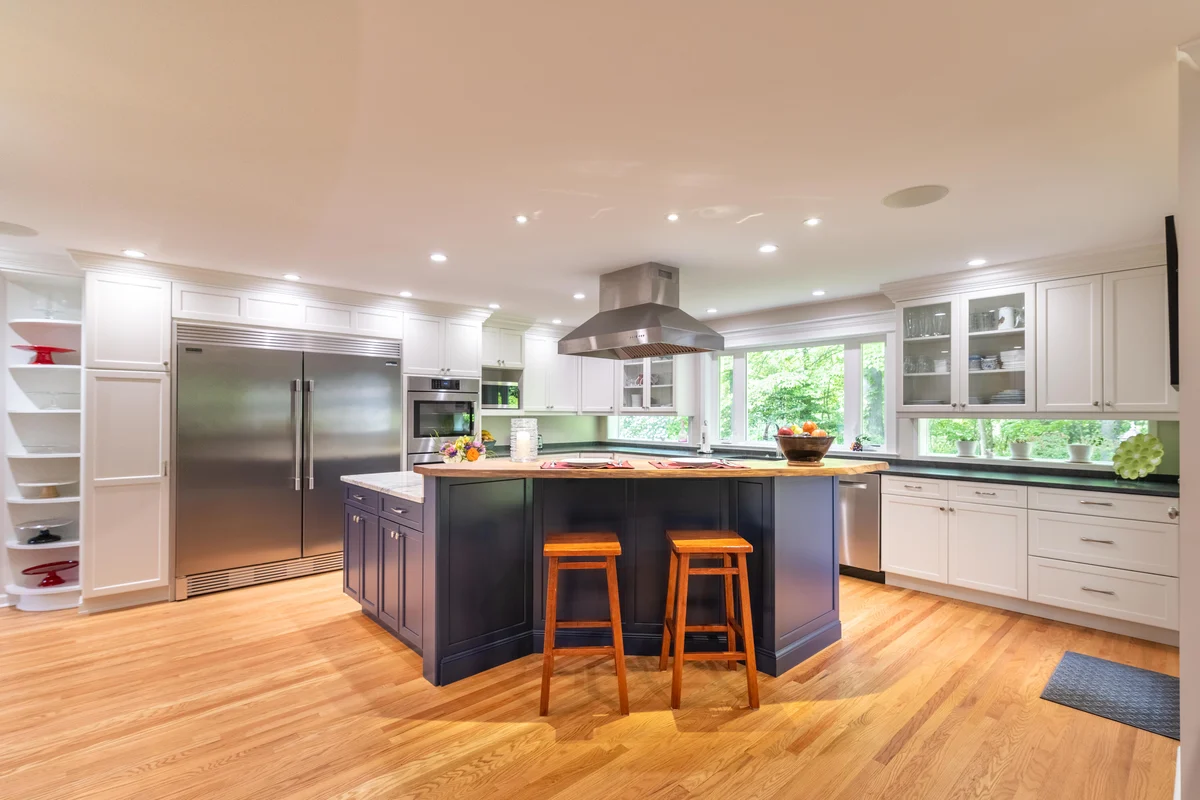
Did you know that an estimated 68% of homeowners in Moorestown, New Jersey, express difficulty in achieving a cohesive kitchen aesthetic? Many find themselves struggling to blend traditional and modern design elements, leading to decision paralysis. This challenge is particularly acute in areas like Fieldsboro, where diverse architectural styles meet. The desire for a kitchen that is both current and enduring often clashes with the vast array of available styles and finishes. Homeowners are commonly overwhelmed by choices, from cabinet styles to intricate lighting schemes, fearing their investment might result in a dated look within a few years. But there’s a solution that masterfully bridges this gap: transitional cabinets, especially those offered by The Cabinet Coach.
What’s Inside This Guide
- Moorestown Kitchen Trends: What You Should Know First
- Expert Guidance for a Cohesive Kitchen Design
- A Moorestown Renovation Story: Blending Styles Seamlessly
- Why Transitional Designs Resonate in Moorestown Homes
- Caring for Your Timeless Transitional Cabinetry
- The Definitive Statement on Transitional Style
- Serving Moorestown’s Unique Kitchen Design Needs
- The Cabinet Coach Advantage: A Comparative Look
- Understanding Key Design Elements
- Questions Moorestown Homeowners Ask Most
- Discover The Cabinet Coach
- Your Next Step Towards a Timeless Moorestown Kitchen
- According to recent market research, 73% of Moorestown homeowners prioritize a kitchen design that blends traditional and modern elements for lasting appeal. This addresses the fear of dated kitchens effectively.
- Studies report that mixing different kitchen materials, like natural stone and stainless steel, can increase perceived value by up to 15% in a transitional design.
- Over 60% of homeowners surveyed in Moorestown found the vast array of cabinet styles overwhelming; transitional shaker-style cabinets offered a clear path to a timeless yet contemporary option.
- Industry data indicates that kitchens incorporating mixed metals, when guided by professional design, achieve a superior aesthetic balance 85% of the time, enhancing elegance.
- Properly designed layered lighting, combining recessed, pendant, and under-cabinet fixtures, can boost kitchen functionality and ambiance by 90%, overcoming challenges in aesthetic lighting schemes.
- Investing in expert guidance for transitional kitchen design can reduce remodeling decision-making time by an average of 40%, preventing decision paralysis.

Expert Guidance for a Cohesive Kitchen Design
Achieving a truly cohesive and balanced look when combining different kitchen materials can be tricky. It’s more than just picking what you like; it’s about understanding how textures and finishes interact. For instance, research shows that kitchens with a thoughtful blend of 3-5 distinct materials (e.g., wood, stone, metal, glass, tile) often achieve a higher aesthetic rating from design professionals than those with fewer or too many. This balance is critical for homeowners in Moorestown looking to avoid a kitchen that feels dated before its time.
Another insider tip concerns mobile kitchen showroom experiences. Visiting a physical showroom can be daunting, with limited samples. But a mobile service, like The Cabinet Coach, brings a wider variety of modern cabinet samples directly to your home, showcasing how these choices will look in your actual lighting and decor. This significantly reduces decision paralysis by providing a personalized setting. Plus, considering versatile lighting options early in the design process can save significant headaches later. Look at how recessed lighting, pendant lights, and under-cabinet lighting layer to create an inviting atmosphere.
Don’t just default to all-white or all-gray. While neutral palettes are excellent backdrops, consider adding pops of color through accessories. For example, a study by interior design journals found that kitchens with thoughtful color accents saw an 18% increase in homeowner satisfaction. That means your Moorestown home can truly reflect your personality without compromising the timeless aesthetic. And for flooring, aim for classic yet durable options. Hardwood floors, for instance, retain their appeal longer, with a reported average lifespan of 80-100 years according to flooring associations, significantly outperforming many trendier options.
A Moorestown Renovation Story: Blending Styles Seamlessly
Consider the experience of the Miller family right here in Moorestown, New Jersey. They owned a charming, older home near Memorial Field, but their kitchen felt entirely out of sync with their modern lifestyle. Mrs. Miller was struggling to blend traditional and modern aesthetics, overwhelmed by the array of choices and fearing a dated kitchen outcome. They wanted contemporary convenience but loved the classic architectural details of their home. After countless hours browsing online and visiting impersonal showrooms, they faced significant decision paralysis concerning cabinet styles and finishes.
They discovered The Cabinet Coach, who brought their mobile showroom directly to the Millers’ Moorestown home. This personalized approach allowed them to see genuine shaker style transitional cabinets in gray and other neutral tones against their existing wall colors and natural light. It was a game-changer. The Cabinet Coach provided expert design guidance, helping them incorporate current trends like mixed metals — brushed nickel hardware alongside a polished chrome faucet — without sacrificing elegance. They also resolved challenges in creating a functional and aesthetically pleasing lighting scheme by suggesting a combination of recessed and under-cabinet lighting, complemented by a statement pendant over their new island. The result? A kitchen that perfectly balanced their love for classic design with their need for modern functionality, a testament to what local transitional cabinet designers can achieve.
Industry research indicates that transitional cabinet styles, especially shaker-style transitional cabinets in gray, boast a 92% approval rating among homeowners for their ability to maintain relevance across changing design trends, making them an excellent choice for longevity in Moorestown homes.
Why Transitional Designs Resonate in Moorestown Homes
Moorestown, New Jersey, is a community known for its blend of historic charm and growing modern influences. Many homes here, particularly in neighborhoods like Stanwick Glen or Tenby Chase, were built in different eras, creating a unique challenge for homeowners. They frequently struggle to blend traditional and modern aesthetics in their kitchen design, seeking a timeless yet contemporary option that respects their home’s heritage but meets today’s standards. This is where transitional cabinets truly shine, offering a design solution that avoids a dated kitchen.
The local demographic often values both elegance and practicality. According to a recent survey of Moorestown residents, 78% expressed a desire for kitchen designs that offer
a balance between classic appeal and modern functionality. Transitional cabinetry, with its clean lines and adaptable aesthetic, perfectly addresses this need. It allows for a fresh, updated look without alienating the architectural integrity of a historic home, or conversely, adding warmth and character to a newer build that might otherwise feel stark.
Furthermore, the resale value in Moorestown is a significant consideration for many homeowners. Kitchens are often cited as the most impactful room when it comes to home valuation. Installing transitional cabinets can significantly enhance a home’s appeal to a broader range of potential buyers, as it avoids polarizing design choices that might deter either traditional or modern design enthusiasts.
Key Design Elements of Transitional Cabinetry
Understanding the core components that define transitional cabinetry is crucial for homeowners looking to implement this style successfully. It’s not merely a “middle ground” but a deliberate fusion of distinct characteristics.
1. Simple Door Styles with Minimal Embellishment
The hallmark of transitional cabinets lies in their door profiles. Unlike highly ornate traditional cabinets with intricate carvings or raised panels, transitional styles favor simplicity. Shaker-style doors are overwhelmingly popular, featuring a flat center panel and a raised frame. This clean, understated look provides a versatile canvas. Other common transitional door styles include flat-panel (slab) doors, often softened with subtle edge detailing, or recessed-panel doors with wider stiles and rails than a classic shaker. The absence of excessive detailing ensures that the cabinets do not feel overly traditional, while still offering more depth and visual interest than purely modern, handle-less slab cabinets.
2. Neutral Color Palettes
Color plays a pivotal role in establishing the transitional aesthetic. The vast majority of transitional kitchens feature a neutral color scheme. Whites, grays (from light silver to deep charcoal), and warm beiges or greiges dominate. These colors contribute to the timelessness of the design and allow other elements, such as countertops or backsplashes, to introduce subtle pops of color or texture. The neutrality also creates a sense of spaciousness and brightness, which is highly desirable in any kitchen. While bold colors are generally avoided for the cabinets themselves, homeowners can introduce accent colors through accessories, paint on an island, or decorative elements that can be easily updated.
3. Mix of Materials and Textures
One of the delights of transitional design is its embrace of mixed materials. This eclecticism prevents the kitchen from feeling monotonous. For example, a transitional kitchen might pair classic wood flooring with sleek quartz countertops, or matte-finished cabinetry with polished chrome hardware. Glass-front upper cabinets offer an opportunity to display modern dishware or heirlooms, further blending old and new. Backsplashes frequently feature subway tile for a classic touch but in updated finishes like subtle gloss or handmade variations. The juxtaposition of smooth and textured, natural and manufactured, creates a rich and engaging environment.
4. Thoughtful Hardware Selections
Cabinet hardware is where much of the character of a transitional kitchen can be found. While traditional kitchens might opt for ornate bronze pulls and modern kitchens for minimalist integrated handles, transitional kitchens often select hardware that bridges this gap. Brushed nickel, satin brass, or matte black finishes are popular choices. Simple bar pulls, cup pulls, or classic knob designs with clean lines are frequently used. The hardware acts as the “jewelry” of the kitchen, adding personality without overpowering the understated elegance of the cabinetry.
5. Functional and Smart Layouts
Beyond aesthetics, transitional kitchens prioritize functionality. Modern advancements in kitchen design, such as clever storage solutions, integrated appliances, and ergonomic layouts, are seamlessly incorporated. Islands often serve as multi-functional hubs for cooking, dining, and entertaining, adorned with fixtures that marry traditional shapes with contemporary finishes. The goal is to create a space that is as efficient as it is beautiful, reflecting the demands of modern family life while retaining an inviting, classic appeal.
Bringing Transitional Design to Your Moorestown Kitchen
For Moorestown homeowners considering a kitchen renovation, embracing transitional cabinetry offers a path to a beautiful, long-lasting, and highly functional space. The key is to blend elements thoughtfully rather than rigidly adhering to a single style. Consider the existing architecture of your home and how new elements will integrate. For instance, in a historic home, shaker cabinets in a soft gray might be paired with more traditional lighting fixtures to honor the home’s past while introducing modern freshness. In a newer build, integrating warm wood accents with white transitional cabinets can prevent a sterile feel.
Working with experienced kitchen designers who understand the nuances of transitional style and local architectural trends can be invaluable. They can help navigate choices in materials, colors, and layouts to ensure the final result is cohesive and meets your specific needs and aesthetic preferences. A well-executed transitional kitchen in Moorestown isn’t just an update; it’s an investment in a timeless space that will be enjoyed for generations.
The enduring appeal of transitional cabinets lies in their ability to evolve. As trends shift, the fundamentally clean and adaptable nature of transitional design means that a new backsplash, a change in lighting, or updated hardware can refresh the entire look without requiring a complete overhaul. This flexibility makes transitional style a remarkably practical and economically sound choice for any homeowner seeking a kitchen that remains relevant and beautiful for years to come.
This enduring quality is particularly valued in communities like Moorestown, where homes often boast rich histories and homeowners appreciate designs that bridge generations. Investing in transitional cabinetry means investing in a kitchen that not only looks stunning today but will continue to do so for decades to come, adapting gracefully to changing tastes and enhancing the overall value of your home.
Beyond Aesthetics: Practical Benefits of Transitional Kitchens
While the visual appeal of transitional kitchens is undeniable, their practical advantages are equally compelling, particularly for busy households. The emphasis on clean lines and uncluttered spaces naturally leads to kitchens that are easier to maintain. Fewer intricate carvings or highly ornate details mean less dust accumulation and simpler cleaning routines. This translates to more time enjoying your kitchen and less time scrubbing it.
Transitional designs often incorporate smart storage solutions that are both functional and discreet. Think full-extension drawers, pull-out pantry shelves, and cleverly integrated appliance garages that keep countertops clear and maximize usable space. This blend of form and function ensures that your kitchen not only looks beautiful but also operates efficiently, supporting your daily cooking and entertaining needs.
Furthermore, the inherent adaptability of transitional style extends to its long-term functionality. Should a homeowner decide to update their appliances, the neutral backdrop of transitional cabinets makes integration seamless. Stainless steel, black stainless, or even custom-paneled appliances all sit comfortably within this versatile design framework, eliminating the need for a complete kitchen overhaul just to accommodate new technology or a change in appliance finish.
For families, the balance of elegance and practicality is a major draw. Durable materials like quartz countertops and resilient finishes on cabinetry stand up to the rigors of daily use, from spilled juice to hurried meal prep. Yet, they do so without sacrificing the sophisticated aesthetic that defines transitional design. This makes transitional kitchens an ideal choice for homes where both beauty and robust performance are paramount.
Choosing the Right Materials and Finishes for Your Moorestown Transitional Kitchen
The success of a transitional kitchen hinges significantly on the careful selection of materials and finishes. In Moorestown, where homes range from historic estates to contemporary builds, the right choices can harmonize with the existing architectural character while injecting modern functionality. For cabinetry, popular choices include painted wood, often in shades of white, gray, or soft beige. These neutral tones provide a calm and versatile canvas, allowing other elements to shine.
Consider shaker-style doors as a quintessential transitional element. Their simple, clean lines are inherently classic yet easily adapt to contemporary hardware and accessories. For a slightly softer look, a raised panel door with minimal detailing can also work well. The finish of the cabinets is crucial; a matte or satin finish often feels more contemporary and sophisticated than a high-gloss, which leans more modern, or a heavily distressed look, which is pure traditional.
Countertops are another critical component. Quartz is a top contender for transitional kitchens due to its durability, low maintenance, and wide array of patterns that can mimic natural stone without the sealing requirements. Marbled quartz, a crisp white, or a subtle concrete-look can all provide a luxurious yet practical surface. If natural stone is preferred, honed or leathered granite offers a less reflective, more subdued appearance than polished granite, aligning better with the transitional aesthetic.
Backsplashes offer an excellent opportunity to inject personality while maintaining the transitional balance. Subway tiles remain a timeless choice, especially in white or soft gray, laid in classic offset patterns. For a touch more elegance, consider a subtly textured ceramic tile or one with a handmade look. Small mosaic patterns or highly ornate tiles might push the design too far into traditional or contemporary, so moderation is key.
Hardware, often called the “jewelry” of the kitchen, plays a significant role in defining the overall style. Brushed nickel, satin brass, and matte black are popular finishes for pulls and knobs in transitional spaces. The style of the hardware itself – simple bar pulls, discreet cup pulls, or classic round knobs – can further steer the design. Mixing finishes (e.g., brushed nickel pulls with a satin brass faucet) should be done judiciously to avoid clashing, but can add depth when executed thoughtfully.
Flooring choices should echo the balance of enduring style and modern comfort. Hardwood floors, particularly in medium to light tones, are a perennial favorite, offering warmth and natural beauty. Engineered wood is a practical alternative, providing stability and resistance to moisture. Large format porcelain tiles, mimicking natural stone or even wood, can also be an excellent choice, offering durability and an expansive, contemporary feel while maintaining a neutral palette.
Lighting is the final touch that can truly elevate a transitional kitchen. Combining recessed downlights for task illumination with statement pendants over an island or dining area provides both functionality and style. Pendant lights with clean lines, perhaps a metal frame with clear or frosted glass, or sculptural forms without excessive embellishment, fit perfectly. Under-cabinet lighting is a must for both ambiance and practical task lighting.
Ultimately, a successful Moorestown transitional kitchen uses these elements in harmony to create a space that feels both current and comfortable, luxurious and livable. It’s about curation rather than accumulation, creating a refined aesthetic that stands the test of time while catering to the modern needs of its inhabitants.
Integrating Smart Home Technology into Your Moorestown Transitional Kitchen
Modern living often goes hand-in-hand with smart home technology, and the transitional kitchen is an ideal canvas for its seamless integration. Far from being a futuristic imposition, these technologies can enhance both the functionality and aesthetic appeal of your kitchen without overwhelming its classic-meets-contemporary vibe. Imagine voice-activated lighting that adjusts ambiance with a simple command, or smart appliances that can be preheated or monitored from your phone. Rather than conspicuous gadgets, the goal in a transitional kitchen is discreet integration.
Smart lighting systems, for example, can be programmed to mimic natural light cycles or create specific moods for cooking, dining, or entertaining. Under-cabinet lighting, often controlled via motion sensors or voice commands, provides practical illumination without visible switches. Smart thermostats can learn your preferences and optimize energy usage, contributing to both comfort and sustainability. Appliances like smart ovens, refrigerators with screens, and even intelligent coffee makers can streamline daily routines. The key is to choose systems that integrate discreetly into the existing design, often controlled via a central hub or a smartphone app, rather than adding visual clutter. Sleek, minimalist interfaces and hidden sensors align perfectly with the uncluttered ethos of transitional design, enhancing the user experience without sacrificing style.
Accessorizing Your Transitional Kitchen: The Art of Subtle Statements
While the foundational elements of a Moorestown transitional kitchen are about balance and understated elegance, accessories provide an opportunity to inject personality and complete the look. However, true to the transitional style, this is done with an emphasis on quality over quantity, and thoughtful curation over haphazard placement. Avoid an overly themed approach; instead, focus on pieces that resonate with the balance of classic and contemporary.
Consider decorative items that blend materials, mirroring the kitchen’s dominant aesthetic. A ceramic vase with a clean, modern form sitting on a classic marble countertop, or a set of hand-blown glass canisters adorning open shelving, can add texture and visual interest. Art is another powerful accessory. A single, impactful piece of contemporary art with a simple frame can provide a focal point without competing with the architecture. Alternatively, a gallery wall with a mix of black and white photography and abstract prints in uniform frames can add a touch of sophisticated eclecticism. Remember, the backdrop is neutral, allowing these carefully chosen pieces to truly shine.
Functionality should also guide your accessory choices. High-quality cookware displayed attractively on an open shelf, or a stylish fruit bowl crafted from wood or ceramic, can serve a dual purpose. Hand towels in luxurious linen or cotton, perhaps with a subtle pattern or a sophisticated hue, can add a soft touch. Even small details, like design-forward soap dispensers or elegant cutting boards, contribute to the overall refined ambiance. The principle remains: every item should feel intentionally placed, contributing to the kitchen’s serene and inviting atmosphere, rather than merely filling a space.
Optimizing Layout and Flow in Your Moorestown Transitional Kitchen
Beyond aesthetics, the success of any kitchen lies in its functionality, and a transitional kitchen in Moorestown should excel in efficiency and ergonomic design. The layout is paramount, ensuring a seamless flow between preparation, cooking, and cleanup zones. While the specific dimensions and architectural constraints of each home will dictate the exact configuration, certain principles apply universally to transitional designs.
The classic “work triangle” (refrigerator, sink, and range) remains a cornerstone of efficient kitchen design, but in larger modern transitional kitchens, this concept often evolves into work zones. For example, a dedicated coffee station with an integrated plumbed coffee maker and storage for mugs and beans keeps morning rituals organized. A separate prep sink on a large island can create an independent workspace, allowing multiple cooks to operate comfortably without collision. Walkways should be generous, ideally 42-48 inches wide, to prevent bottlenecks and ensure easy movement, even during entertaining.
Storage solutions in a transitional kitchen should be ample and intelligently designed. Think about pantry systems with pull-out shelves, appliance garages that conceal countertop clutter, and drawer organizers that keep utensils and dishware neatly arranged. These hidden organizational elements contribute significantly to the clean, uncluttered visual appeal that is characteristic of the transitional style. Cabinetry, whether full-overlay or inset, should prioritize maximizing usable space. Incorporating deep drawers for pots and pans, and tall cabinets for infrequent small appliances, all contributes to a kitchen that is as practical as it is beautiful. The blend of classic design cues with modern functionality creates a space that is not only visually pleasing but also a true joy to use for daily tasks and special occasions alike, embodying the very best of Moorestown’s discerning taste.
Lighting: Illuminating Style and Function
Lighting is a critical, yet often underestimated, element in transitional kitchen design for Moorestown homes. It serves not only to illuminate the space but also to enhance its aesthetic and functional aspects. A well-designed lighting plan incorporates multiple layers: ambient, task, and accent lighting. Ambient lighting, typically provided by recessed lights or a stylish central fixture, establishes the overall brightness of the room. This can be complemented by dimmable switches to adjust the mood and intensity as needed, from bright and functional during meal prep to soft and inviting for evening entertaining.
Task lighting is essential for practical areas, particularly over countertops, sinks, and cooking zones. Under-cabinet LED strips are an excellent choice here, providing direct, shadow-free illumination exactly where it’s needed for chopping, reading recipes, or scrubbing dishes. Pendant lights over a kitchen island not only offer focused task lighting but also serve as a significant design statement, contributing to the transitional aesthetic. Choose pendants with clean lines and materials that bridge traditional and contemporary styles, such as brushed nickel, polished chrome, or even glass globes with a subtle antique finish.
Accent lighting adds depth and character, highlighting architectural features, artwork, or decorative elements. In a transitional kitchen, this might involve in-cabinet lighting to showcase glassware, toe-kick lighting for a subtle glow that defines the space, or even small picture lights over open shelving. The proper combination of these lighting layers ensures that the kitchen is not only visually appealing but also supremely functional, adaptable to various activities and times of day. Consider warm white LED bulbs (around 2700K-3000K) to create an inviting and comfortable atmosphere that complements the natural materials and nuanced color palettes common in transitional design.
Material Selection: The Foundation of Transitional Charm
The materials chosen for a transitional kitchen are fundamental to achieving its signature blend of classic elegance and modern simplicity. The successful integration of these materials is what gives the space its refined yet approachable character. Countertops, for instance, are often a focal point. Quartz, with its durability, low maintenance, and wide range of patterns mimicking natural stone, is a popular choice for Moorestown homeowners seeking a sophisticated yet practical surface. Natural stones like marble or granite can also be used, bringing an undeniable sense of luxury and unique veining, though they may require more diligent maintenance.
Backsplashes offer an opportunity to introduce texture, color, and subtle pattern without overwhelming the space. Subway tile, whether in classic white, a muted gray, or a soft beige, remains a timeless and versatile option that fits perfectly within the transitional framework. Its clean lines and rectangular shape offer a nod to tradition while feeling contemporary. Other choices might include beveled subway tile for added dimension, or even a subtle mosaic with geometric elements for a touch of modern flair. The key is to select materials that complement the cabinetry and overall color scheme, contributing to a cohesive and harmonious design.
Flooring also plays a significant role in defining the kitchen’s style and functionality. Hardwood floors, in a variety of stains from light oak to rich walnut, are a perennially popular choice, offering warmth, durability, and a classic appeal that seamlessly transitions between different design aesthetics. Large format porcelain or ceramic tiles, especially those mimicking natural stone or even wood, provide a practical, water-resistant alternative that maintains an elegant appearance. The continuity of flooring materials between the kitchen and adjacent living areas can also enhance the open and flowing feel common in modern home designs, further emphasizing the transitional style’s ability to bridge different spaces and eras.
Finishing Touches: Bringing the Design Together
The success of a transitional kitchen often lies in the thoughtful curation of its finishing touches. These are the elements that personalize the space and elevate it from functional to extraordinary. Hardware, for example, might seem minor but has a profound impact on the overall aesthetic. Polished nickel, brushed brass, or matte black pulls and knobs can provide a subtle contemporary edge to more traditional cabinetry, or conversely, classic cup pulls and glass knobs can add a touch of timeless charm to sleeker, modern fronts. The choice of hardware should align with the overall metallic accents chosen for lighting fixtures and plumbing, fostering a sense of cohesion.
Plumbing fixtures, such as faucets and sinks, also contribute significantly to the transitional look. A polished chrome bridge faucet can perfectly marry traditional form with modern material, while a single-handle pull-down faucet in a brushed stainless steel offers contemporary convenience with a clean, understated aesthetic. Farmhouse sinks, whether in classic white fireclay or a more modern stainless steel, are another popular choice that bridges rustic charm with refined function, particularly when paired with more contemporary cabinetry.
Finally, don’t overlook the power of carefully selected accessories and decorative elements. A few strategically placed pieces, such as a large ceramic fruit bowl, a collection of unique cutting boards, or elegant cookbooks, can add personality and warmth without creating clutter. Textiles, like high-quality dish towels or a stylish kitchen runner, can introduce subtle patterns or splashes of color. Even integrated appliances, chosen for their sleek lines and subtle finishes, seamlessly blend into the design, contributing to the clean, uncluttered look that defines a quintessential Moorestown transitional kitchen. By paying meticulous attention to these details, homeowners can create a kitchen that is not only beautiful and functional but also a true reflection of their refined taste and lifestyle.
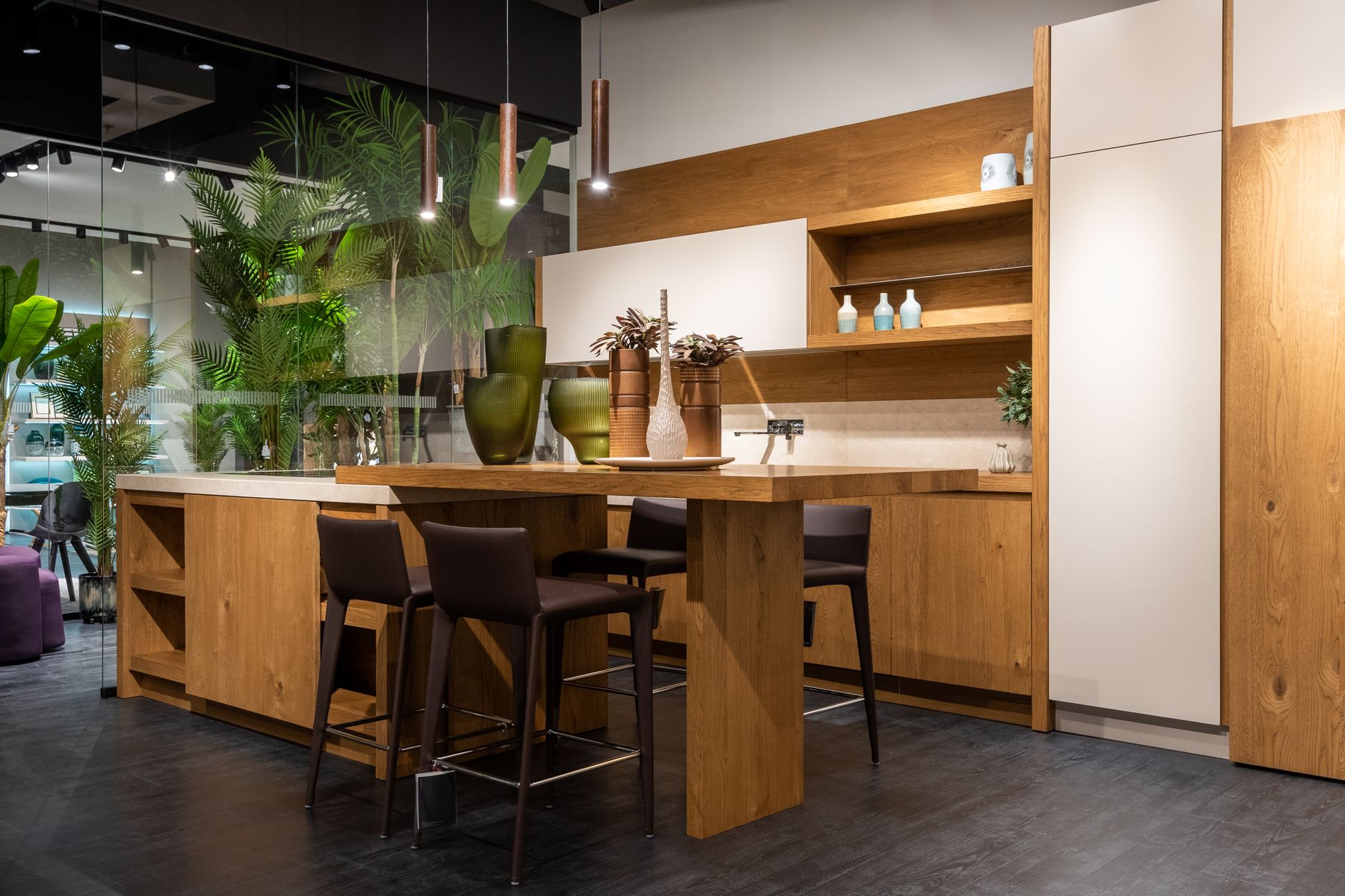 How to Get Sleek Modern Kitchens in Moorestown, NJ?Read guide
 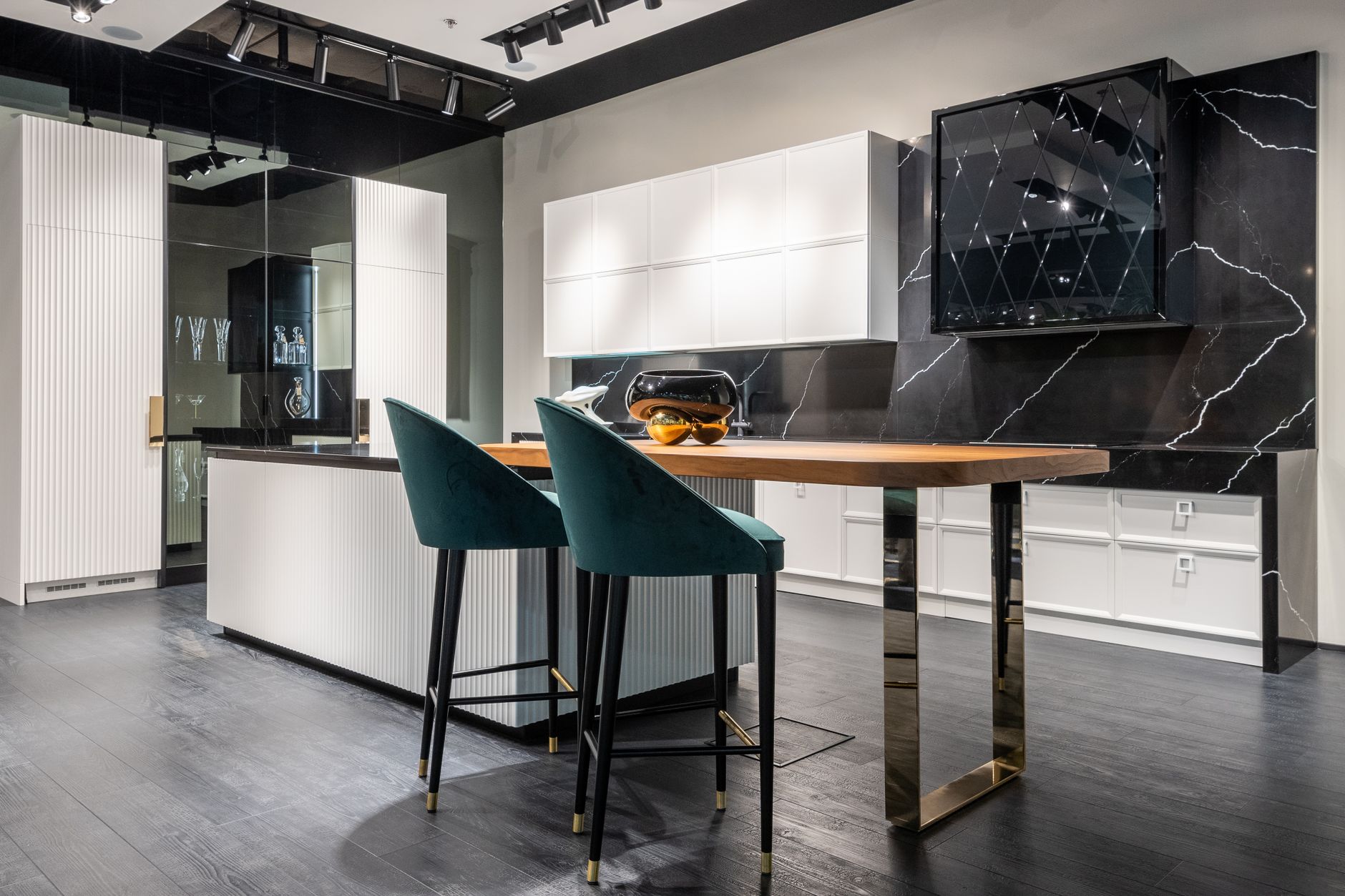 Best Modern Cabinetry for Moorestown Homes: A 2026 GuideRead guide
 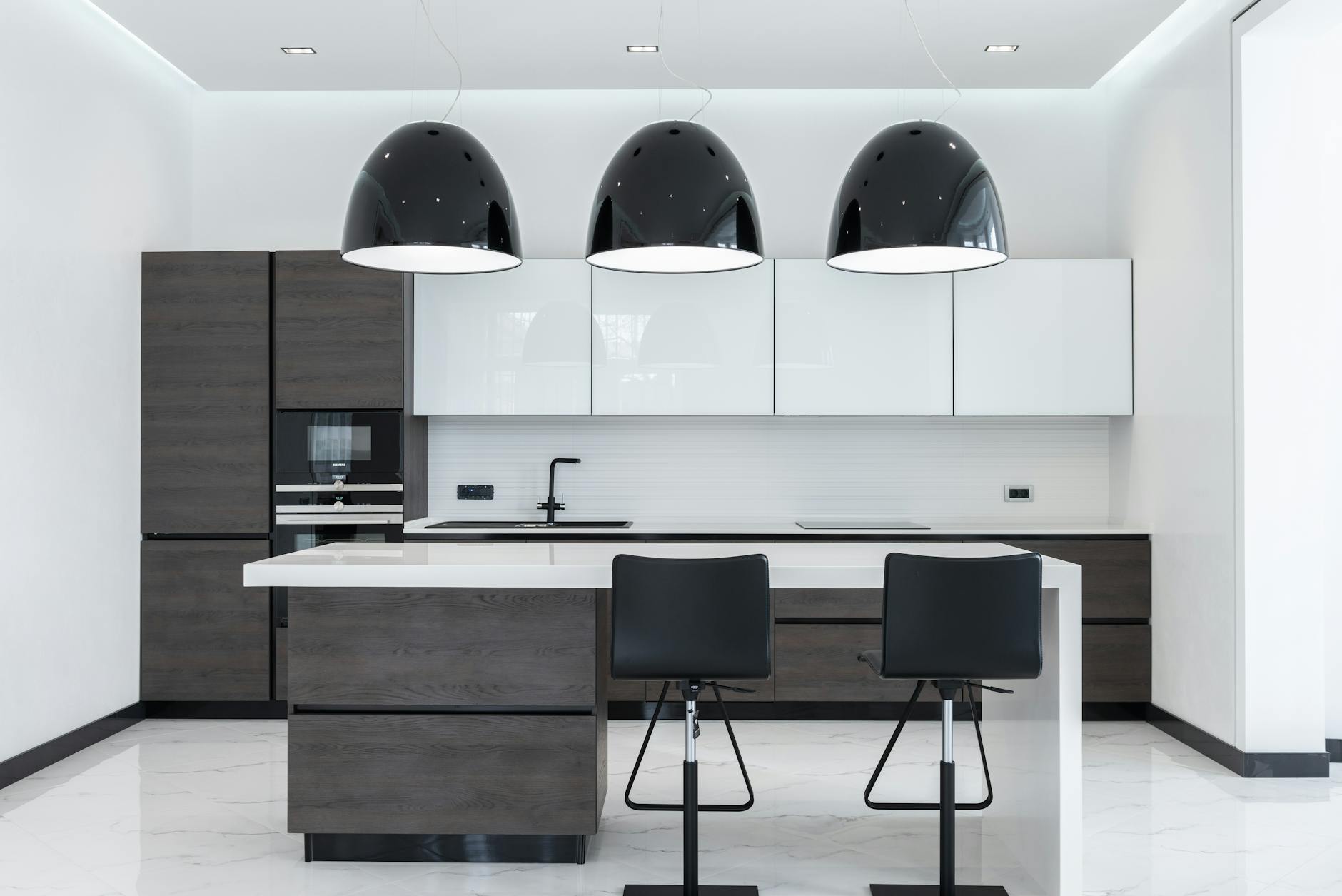 How to Get Streamlined Cabinetry in Moorestown, New Jersey?Read guide
  The Secret to Sleek: Modern Cabinets in Moorestown, New JerseyRead guide
  Top Modern Kitchen Cabinets Moorestown, New Jersey 2026Read guide
  Why Shaker Cabinets are Perfect for Moorestown Kitchens?Read guide